
- All
- Product Name
- Product Keyword
- Product Model
- Product Summary
- Product Description
- Multi Field Search
 English English

Views: 0 Author: Site Editor Publish Time: 2025-09-03 Origin: Site


Maintaining optimal engine oil levels is essential not only for performance but also for reliability and long-term maintenance cost. One component that directly influences oil control is the piston ring—specifically, the chrome piston ring, which is known for its hardness and sealing performance. At Guangzhou ShuangCheng Auto Parts Co., Ltd. (CTPR), we specialize in manufacturing and supplying precision-engineered chrome piston rings for high-performance and industrial-grade engines. This article explores the role of chrome piston rings in oil management and whether they can genuinely reduce oil consumption across different engine types and applications.
In most modern engines, a piston features a three-ring configuration, and each ring plays a specific role in both sealing and oil control:
Top Compression Ring: Prevents combustion gases from leaking into the crankcase while partially controlling oil from moving upward.
Second Ring (Scraper/Wiper Ring): Works as a secondary seal for combustion gases and removes excess oil from the cylinder wall.
Oil-Control Ring: Consists of upper and lower rails with an expander. Its job is to maintain a consistent oil film on the cylinder wall while directing excess oil back into the sump.
If any of these rings malfunction or wear unevenly, oil will make its way into the combustion chamber, leading to burning oil, fouled plugs, blue smoke, and increased oil top-up frequency. The material and coating of the rings directly influence how well they can control oil—especially in engines with high RPM or high load.
Chrome piston rings are typically used for the top compression ring, thanks to their exceptional wear resistance and sealing capability. When paired with the right bore finish, they provide a highly effective barrier against oil migration.
Yes—chrome-coated rings excel at oil scraping and combustion sealing, primarily due to their hardness and smooth surface profile.
Superior Surface Hardness: Chrome coatings offer extremely high Rockwell hardness ratings (often over 60 HRC), making them ideal for resisting wear in high-friction environments.
Dimensional Stability: Chrome rings retain their shape longer under stress, reducing the likelihood of deformation or uneven wear, which can lead to oil leakage.
Smooth Movement: The non-porous, polished finish allows for cleaner movement across the cylinder wall, minimizing friction without sacrificing sealing force.
Oil Film Control: While moly rings rely on porosity to hold oil, chrome rings manage oil by maintaining tight tolerances that prevent excess oil from escaping upward.
In short, CTPR chrome piston rings offer robust sealing under high-temperature and high-pressure conditions while providing reliable oil scraping without excessive friction or wear.
While chrome rings are engineered for durability and oil control, their real-world performance can be impacted by several external variables:
Seating Period: Unlike moly rings, chrome rings require more time to properly seat due to their hardness. During this extended break-in period, it’s normal to see higher oil consumption until the rings fully mate with the cylinder walls.
Bore Finish: If the bore surface is too smooth or lacks the proper 40–45° cross-hatch pattern, the chrome ring may never fully seat, leading to persistent oil loss and blow-by.
Ring Tension and Profile: Proper radial tension is critical. Too little tension, and the ring won’t control oil effectively. Too much, and it increases friction, counteracting the benefits of the chrome’s smooth finish.
At CTPR, we carefully design our chrome rings with the correct tension range and provide honed recommendations to ensure ideal seating and oil control performance.
Each piston ring coating material handles oil differently:
Molybdenum Rings: Moly is highly porous, allowing it to retain oil during break-in. While this helps initial lubrication, it can lead to slightly higher oil usage in the long term if not matched to the right cylinder finish.
Nitrided Steel Rings: These rings are less porous and generally offer faster seating with good oil control. However, their wear resistance may not match chrome in harsh environments.
Chrome Rings: With a smooth, dense surface, chrome rings resist oil absorption and provide clean wiping action, minimizing the amount of oil that escapes into the combustion chamber.
According to real-world testing and engineering analysis (HotRod.com, EngineLabs), chrome piston rings outperform other materials in terms of maintaining low oil consumption in engines subject to high RPM, abrasive environments, or long-duty cycles.
Across builder forums and professional feedback channels, the impact of chrome rings on oil control is consistently positive—especially over the long term.
Off-Road Racing Engines: Builders report chrome rings showing better oil control in dusty, abrasive environments compared to moly. Despite a slower break-in, oil consumption levels off more reliably.
Dyno Testing: Dyno operators often observe lower blow-by and stable compression ratios after full chrome ring seating. In one reported case, switching from moly to chrome rings reduced oil loss by over 20% after 500 km of use.
Forum Feedback: On sites like inliners.org, users frequently praise chrome rings for stabilizing oil usage in performance engines. The consensus is that proper installation and patience during break-in result in a reliable, low-oil-loss system.
Our clients at CTPR echo similar experiences. We’ve supplied chrome piston rings for applications ranging from industrial gensets to track racing engines, and our support team often receives feedback about lower oil consumption post-break-in.
To fully benefit from the oil control properties of a chrome piston ring, installation precision is critical:
Cylinder Honing: Always hone to the correct roughness (15–25 Ra) and angle (40–45° cross-hatch).
Proper Cleaning: Remove honing grit and oil residues before assembly to prevent premature wear.
Correct Lubrication: Use a thin oil film on the rings and avoid heavy synthetic oils during break-in.
Break-In Routine: Avoid long idling. Use moderate RPM and load cycles for the first 1–2 hours of engine operation to help the ring conform to the cylinder wall.
Monitoring: Track oil usage and compression levels during the first 500–1000 km or 5–10 hours of run time.
Following these practices, as recommended by the CTPR technical team, ensures chrome rings seat correctly and deliver their full benefit in oil control.
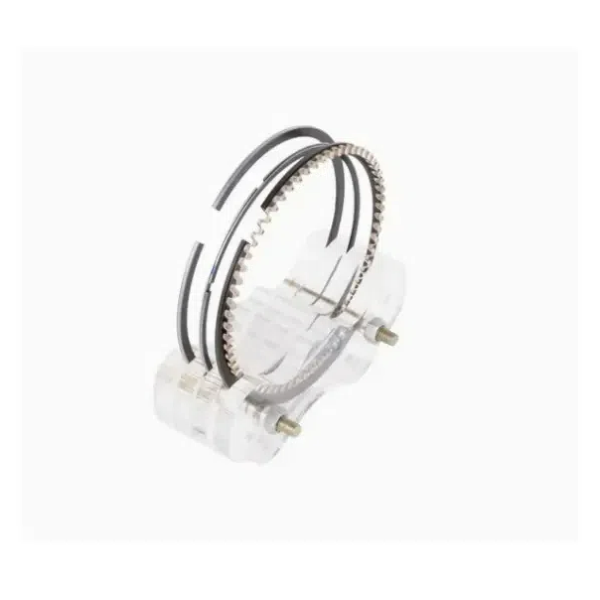
A well-installed chrome piston ring can significantly improve oil control and reduce consumption—especially over the long term. While initial seating may take more time than other materials, the payoff is consistent sealing, reduced wear, and long-lasting performance in even the harshest conditions. At Guangzhou ShuangCheng Auto Parts Co., Ltd., our chrome piston rings are crafted with attention to material hardness, surface profile, and tension balance. If you're aiming to reduce oil consumption in your engine build, contact our team today to find the right solution for your needs.

We are proud to share the success of our participation in the INA PAACE Automechanika Mexico 2025, one of the leading automotive exhibitions in Latin America. This year, we had the opportunity to showcase our latest engine components, including pistons, piston rings, and cylinder liners ...

April 2025 marked a significant milestone for Guangzhou ShuangCheng Auto Parts Co., Ltd as we took part in Automechanika Riyadh 2025, one of the premier automotive trade events in the Middle East. This year, we had the privilege of showcasing our premium engine components, including pistons, piston

We are thrilled to share that Guangzhou ShuangCheng Auto Parts Co,. Ltd participated in the prestigious Egypt AutoTech Exhibition 2026, showcasing the latest innovations in the automotive industry. This year’s exhibition was an incredible success, bringing together industry leaders...

Guangzhou ShuangCheng Auto Parts Con., Ltd recently participated in the Latin Tyre & Auto Parts Expo 2025 in Panama (July 9th-11th), showcasing our high-performance engine components, including pistons, piston rings, and cylinder liners.The event provided a great opportunity to connect with industry
