
- All
- Product Name
- Product Keyword
- Product Model
- Product Summary
- Product Description
- Multi Field Search
 English English

Views: 0 Author: Site Editor Publish Time: 2025-08-29 Origin: Site


When building or upgrading an engine—especially for performance, racing, or off-road use—the choice of piston ring materials can greatly affect the outcome. The chrome piston ring stands as one of the most recognized components for engines that demand reliability and longevity under harsh operating conditions. But how does it compare to other materials like molybdenum or nitrided steel? At Guangzhou ShuangCheng Auto Parts Co., Ltd. (CTPR), we specialize in high-precision piston rings designed for diverse applications. In this article, we’ll break down the pros and cons of each piston ring material, and help you understand why chrome still plays a major role in today’s high-stress engine environments.
Piston rings are made from different materials to meet the varied demands of engine design, use-case scenarios, and environmental conditions. The four most widely used types include:
Chrome: Typically electroplated onto a ductile iron or steel base, chrome is known for its incredible hardness and wear resistance. It is designed for heavy-duty, high-performance, and high-dust environments.
Molybdenum (Moly): Applied via plasma spray, moly rings create a porous surface that holds oil well, allowing smoother lubrication and faster seating. It's often preferred for general performance or daily use engines.
Nitrided Steel: Manufactured from steel and then treated with a nitriding process that diffuses nitrogen into the surface. This results in high surface hardness and excellent fatigue strength.
Cast/Ductile Iron: Often used in older or economy applications. Cast iron offers decent conformability and sealing but falls short in wear resistance when compared to modern coatings.
At CTPR, we focus on developing advanced chrome piston ring solutions using only high-grade base materials and refined electroplating techniques. These are tested rigorously to meet international standards and engine builder expectations.
The most recognized benefit of a chrome piston ring is its exceptional surface hardness. Chrome coatings can reach Rockwell hardness ratings above 60 HRC, far exceeding most moly and iron counterparts. This makes chrome extremely resistant to mechanical wear and chemical corrosion, even under continuous high-speed, high-pressure combustion cycles.
In comparison, moly coatings, although softer, offer better oil retention due to their naturally porous texture. This gives moly-coated rings an edge during initial engine break-in, where lubrication is critical. Nitrided steel rings offer a balanced middle ground, with surface hardness slightly below chrome but better resilience against thermal expansion and material fatigue.
However, in extremely dusty environments or where abrasive particles can enter the combustion chamber—such as in off-road, mining, or heavy-load trucking—chrome rings outperform alternatives due to their scratch resistance and longevity. That’s why CTPR chrome piston rings are a preferred choice for high-abuse applications around the world.
Despite the durability of chrome, there are scenarios where moly or nitrided steel can be the better option. One key reason is break-in performance. Chrome's hardness makes it slower to seat against the cylinder wall, often requiring a precisely honed surface with plateau finish. This means additional machining costs and longer run-in periods.
Moly rings, being softer, conform more quickly and efficiently to the cylinder wall, reducing the risk of blow-by during early engine operation. They’re also less likely to cause scuffing or glazing if the bore finish is not ideal. Because of this, moly is widely used in modern gasoline engines, street performance cars, and motorcycles.
On the other hand, nitrided steel rings provide high strength with better fatigue resistance. Their non-brittle surface makes them less likely to crack or flake—issues that can sometimes occur with poorly manufactured chrome rings. This resilience makes them a solid choice for engines that experience rapid cycling between hot and cold states or fluctuating combustion pressures.
At CTPR, our engineering and R&D teams ensure that our chrome coatings are applied evenly and securely, minimizing risks of cracking or flaking while maximizing wear protection.
Across various automotive forums and tuning communities, piston ring performance is a frequent topic. Builders share both technical evaluations and hands-on experiences:
Chrome Piston Ring Seating Challenges: Multiple builders note that chrome rings demand extremely accurate cylinder bore preparation. Improper honing can delay or completely prevent proper ring seating, affecting compression and oil control.
Moly Rings Praised for Smooth Break-In: Moly’s ability to conform quickly is repeatedly mentioned as an advantage, especially for those building engines on tight deadlines or without access to precision honing tools.
Application Context Matters: Builders working with off-road engines or endurance motors frequently advocate for chrome due to its superior durability under abrasive and extended run conditions.
These discussions reinforce a key takeaway: the ideal piston ring depends heavily on the application. What works for a race car on smooth asphalt may not be ideal for a 4x4 in dusty terrain.
Chrome rings remain unrivaled in certain demanding conditions:
Dusty or Abrasive Environments: In areas where dust, sand, or fine particulates may enter the engine, chrome's hard surface is resistant to scratching and scoring, ensuring long-term reliability.
High Load or High RPM Engines: Engines running at sustained high speeds or loads—like in endurance racing, truck hauling, or heavy-duty generators—benefit from chrome’s thermal stability.
Extended Maintenance Intervals: For industrial applications or off-grid vehicles where frequent servicing isn’t practical, chrome piston rings offer longer life and consistent performance.
Our CTPR chrome piston rings are designed with these situations in mind. Through refined surface treatments and strict quality controls, we ensure they perform reliably even in the most punishing environments.
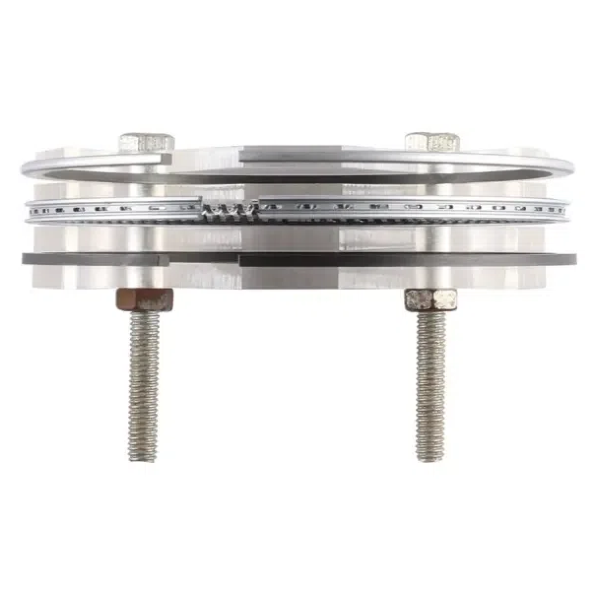
When deciding between chrome piston rings, moly-coated, or nitrided steel, your engine’s use case should drive the decision. Chrome offers top-tier wear resistance and durability, making it ideal for harsh environments and heavy-duty performance. Moly provides smooth break-in and better oil control for street and moderate performance engines. Nitrided steel combines flexibility with strength for engines with thermal variation. At Guangzhou ShuangCheng Auto Parts Co., Ltd., our team is here to guide you to the right solution for your build. Whether you're upgrading, racing, or building for the long haul, reach out to us and discover the benefits of a well-matched piston ring system.

We are proud to share the success of our participation in the INA PAACE Automechanika Mexico 2025, one of the leading automotive exhibitions in Latin America. This year, we had the opportunity to showcase our latest engine components, including pistons, piston rings, and cylinder liners ...

April 2025 marked a significant milestone for Guangzhou ShuangCheng Auto Parts Co., Ltd as we took part in Automechanika Riyadh 2025, one of the premier automotive trade events in the Middle East. This year, we had the privilege of showcasing our premium engine components, including pistons, piston

We are thrilled to share that Guangzhou ShuangCheng Auto Parts Co,. Ltd participated in the prestigious Egypt AutoTech Exhibition 2026, showcasing the latest innovations in the automotive industry. This year’s exhibition was an incredible success, bringing together industry leaders...

Guangzhou ShuangCheng Auto Parts Con., Ltd recently participated in the Latin Tyre & Auto Parts Expo 2025 in Panama (July 9th-11th), showcasing our high-performance engine components, including pistons, piston rings, and cylinder liners.The event provided a great opportunity to connect with industry
